


How Often Should You Inspect GMC Brakes?
There's no perfect mileage interval that applies to every GMC because brakes don't all live the same life. A Sierra 1500 used primarily for highway commuting puts different demands on its brakes than one regularly towing equipment. Frequent stop-and-go driving, hauling, towing, and repeated heavy braking can all accelerate wear.
An annual inspection is a useful general habit, but your GMC owner's manual and maintenance schedule should be the primary references for your specific model. Drivers who routinely use their trucks for demanding work should consider having the system checked more frequently. Our GMC service department can inspect the braking system during other routine maintenance visits, which makes staying on top of wear considerably easier.
What Does Brake Wear Feel and Sound Like?
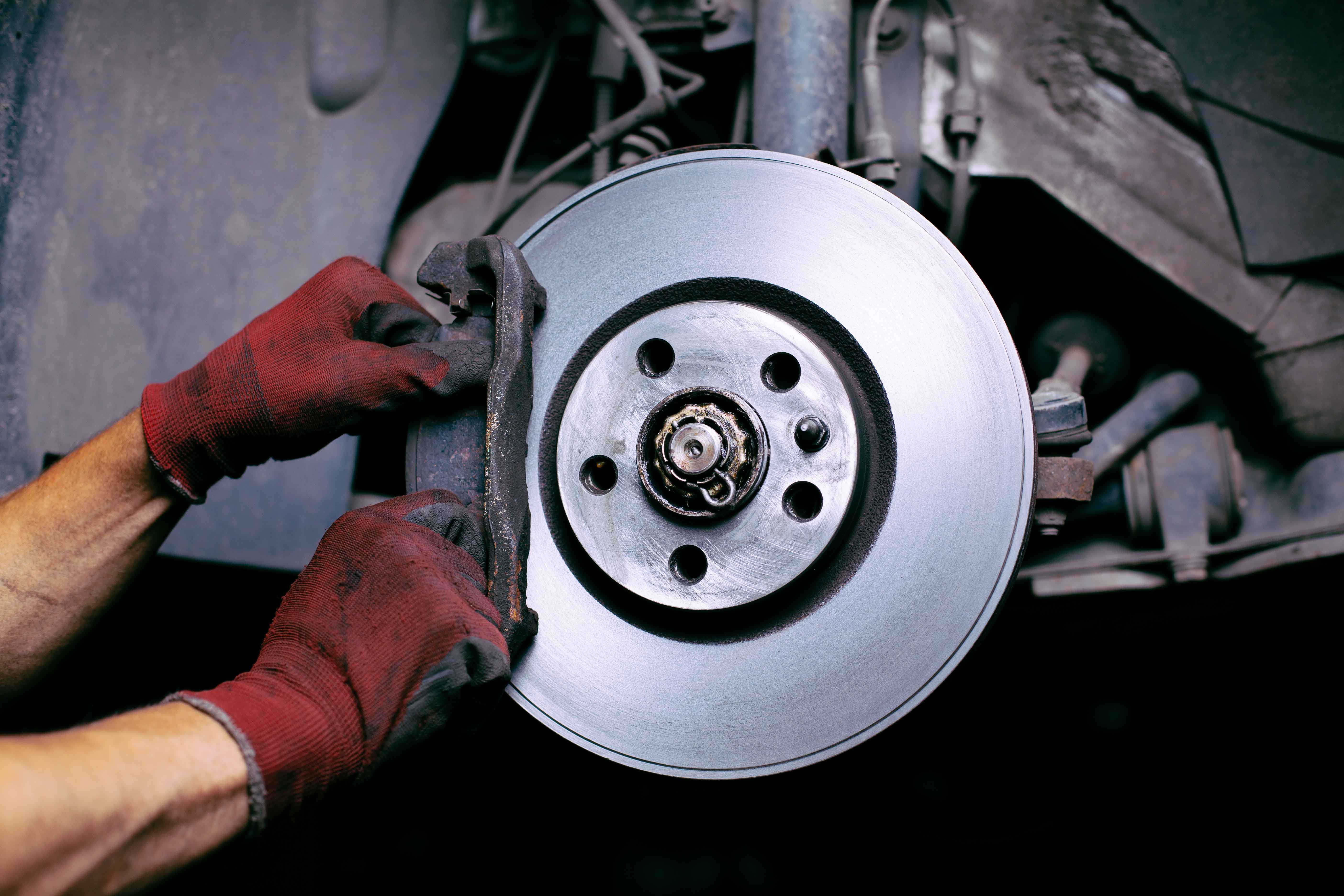
Brakes usually provide some warning before they become a serious problem. Squealing while braking can indicate worn pads, while grinding is a more urgent signal that components need inspection. Vibration or pulsation through the brake pedal can point toward a problem with the braking surfaces, and pulling to one side while stopping can indicate uneven braking performance or another issue requiring diagnosis.
Pay attention to the pedal itself, too. A soft or spongy feel, excessive pedal travel, or any noticeable change in braking response deserves professional attention. A brake warning light shouldn't be treated as something to investigate next month. If it appears, consult your owner's manual and arrange GMC service as appropriate.
Why Towing and Hauling Can Change the Maintenance Picture
Stopping a truck requires the brakes to convert the vehicle's motion into heat. Add a trailer or heavy payload, and there's more weight to manage. That's one reason GMC owners who tow and haul should pay particular attention to brake condition. Repeated braking under load generates additional heat and can increase wear depending on driving conditions and usage.
If you're shopping for a truck specifically for towing, explore our new GMC Sierra inventory to compare capability and available trailering technologies. Once you've got the right truck, maintaining its braking system is part of keeping that capability ready for work.
What Happens When Worn Pads Stay on the Truck Too Long?
Brake pads are designed to wear. The trick is replacing them before that wear begins affecting other components. Continue driving after the friction material is depleted, and metal components can begin contacting the rotor. What could have been a brake-pad replacement may then involve damaged rotors and additional work.
There's also the more important consequence: braking performance can deteriorate. Longer stopping distances and inconsistent braking response aren't characteristics you want to discover when traffic suddenly stops ahead. Regular inspections allow technicians to measure wear and identify developing issues before you're relying on noise or poor braking performance as a maintenance schedule.
Can Your GMC Tell You When Something Is Wrong?
Modern GMC trucks and SUVs incorporate dashboard warnings and electronic systems that can alert drivers to certain brake-related conditions. Depending on the model and equipment, newer GMC vehicles may provide additional brake monitoring information. Useful as these systems are, they don't eliminate the need for physical inspection. A technician can examine pads, rotors, calipers, lines, and brake fluid while looking for wear, leakage, damage, and other conditions an electronic system may not identify. Technology can provide a warning; a hands-on inspection establishes what the components are doing.
Keep Your GMC Ready for the Next Load
Explore our GMC service options and current service specials at Price GMC in Karnes City, TX. If you've noticed brake noise, vibration, changes in pedal feel, or simply want to know how much life your brakes have left, schedule a brake inspection online and let our service team take a proper look before your next trip, trailer, or job.